

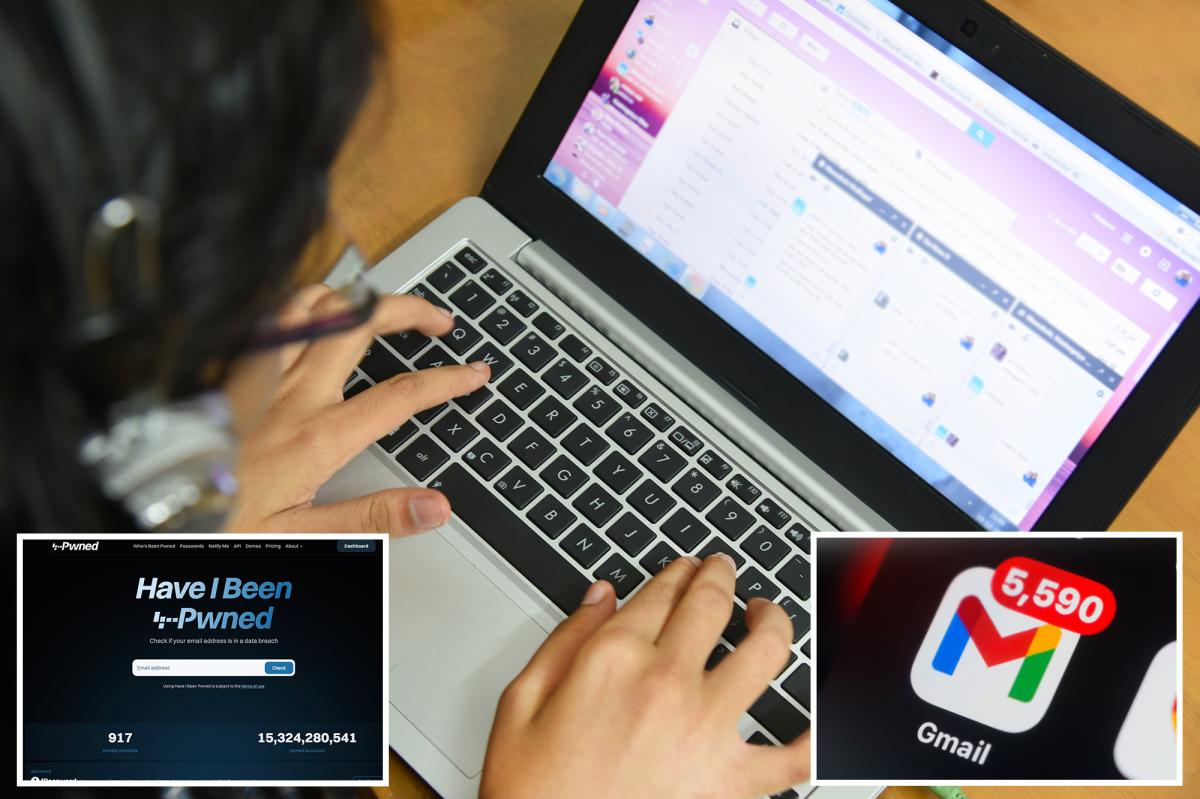
183 Million Email Passwords Exposed: The largest digital breaches of 2025 have occurred, and this has led to the leaking of over 183 million email passwords. As this incident was made official, it sent shockwaves through the cybersecurity community. The massive dataset, which amounts to a total of 3.5 terabytes, has been stolen. The leaked information is probably from the millions of Gmail, Yahoo, and Outlook accounts. The alarming discovery was first highlighted by Troy Hunt. Let’s discuss below in more detail the largest digital breach of 2025.
Read Also: Samsung Galaxy XR Headset (2025): Highlights, Pros, and Cons of this XR
How big is the Breach?
The breach is being described as one of the most extensive password leaks in recent years. If the reports are to be believed, the leaked dataset has around 183 million unique email-password combinations. This includes 16.4 million that had never been compromised before. This leak of sensitive information was not the result of a single cyberattack, but it comes as the outcome of “stealer logs”. Stealer logs are data files that are collected by malicious software known as info-stealers.

Hunt, when explaining about the incident, has mentioned that info stealers work silently on infected devices, and they record user credentials whenever someone logs into a website or online platform. “Each log entry typically captures the website address, email ID, and password,” Hunt noted in his blog post.
What Happened in the Data Breach?
As the incident spread across the internet, a Google spokesperson stepped in and clarified that Gmail itself was not hacked. The representative stated that the reports misinterpreted the situation and the data wasn’t stolen from Gmail servers. It has been made official that the data was harvested through ongoing credential theft activity that targeted individuals across different websites.
The company also mentioned that attackers often use automated malware tools so that they can collect user information from infected computers, rather than breaching specific platforms. Google reiterated its advice and explained to users to enable two-step verification, adopt passkeys, and update passwords immediately if their credentials appear in public breach databases.
Read Also: October 2025 Smartphone Lineup: Major Launches, Upgrades, and What’s New This Month
How to Check If Your Password Was Leaked
Digital data breach is a huge concern, and if you want to be assured of digital security, then you can confirm whether your email has been affected by visiting HaveIBeenPwned.com. On this website, if you enter your email address, you can find out whether it appears in the newly discovered database or any prior breaches. If your email is flagged, cybersecurity experts recommend the following steps:
- You must change your password immediately and avoid reusing old ones.
- The best way to tackle cybersecurity is to enable two-factor authentication (2FA) for added protection.
- Using a password manager will help you generate strong, unique passwords.
- Stay cautious of phishing emails, and you can take help from the suspicious login alerts.
The Source Behind the Discovery

The dataset’s exposure was traced back to Synthient. Synthient is a cybersecurity firm, and it develops a tool to track hacker networks. The investigation says that hackers had been sharing over 600 million stolen credentials within their ecosystem. Synthient’s findings were later shared with Troy Hunt’s database, and this helped millions of users identify compromised accounts.
Rising Cyber Threats in 2025
All in all, the data breach of 183 million passwords highlights a growing cybersecurity crisis in 2025. Experts have already warned that these incidents will only increase, as hackers will now use more sophisticated malware to harvest personal data. Hence, users must be aware of it. The incident is a stark reminder that cyber hygiene is no longer optional, and it’s essential for everyone, especially those who are using the internet today.
Read Also: YouTube AI-Powered Age Verification: What It Means for Users and Minors