

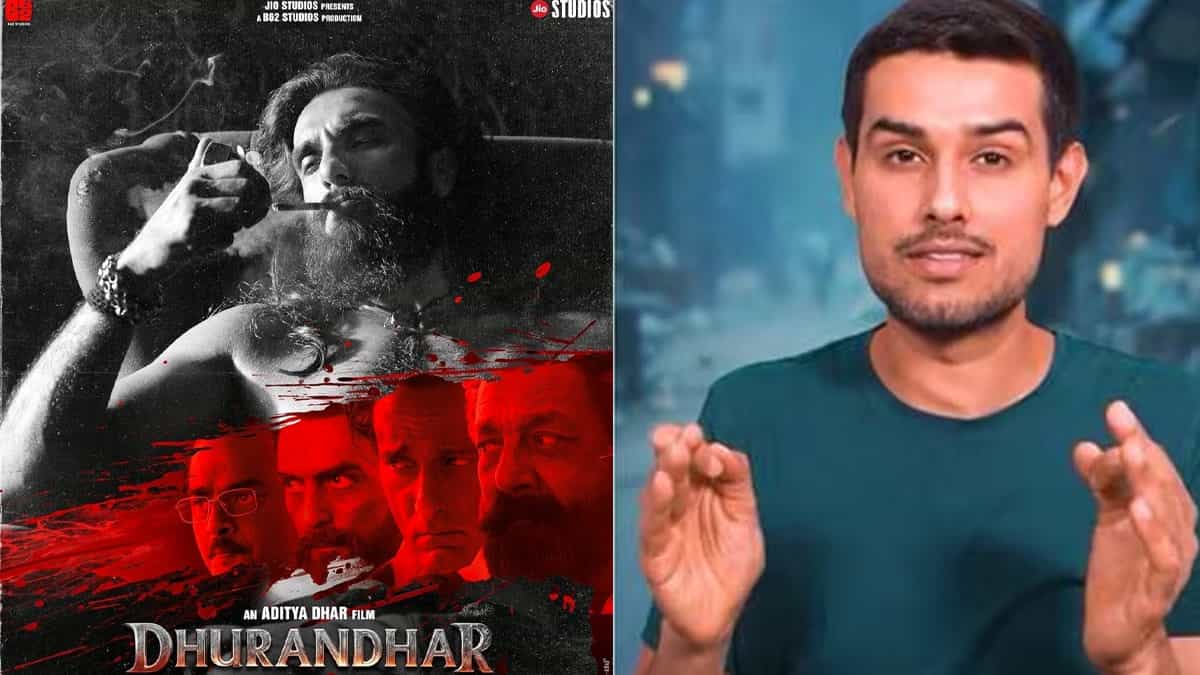
Dhruv Rathee’s Reaction on Dhurandhar has shocked the internet: In India, cinema has always been more than entertainment. It shapes emotions, influences a lot of opinions, and sometimes even rewrites public memory. Popular influencer Dhruv Rathee, in his recent video “Reality of Dhurandhar Film”, argues that films can tell compelling stories, but they also quietly function as political propaganda. Rathee has used Dhurandhar as a case study to examine how the film blurs the line between fact and fiction.
Dhurandhar: ‘Incredible True Events’ or Creative Manipulation?
Dhurandhar is one of the biggest hits of 2025, and it looks unstoppable at the box office, even running in the 3rd weekend, and has roared past the massive Rs 800 Cr milestone in just 16 days at the worldwide box office. The major reason why it was such a huge success is because Dhurandhar markets itself as a spy thriller inspired by “incredible true events”. It placed fictional characters and plots alongside real terror attacks such as 26/11 and Pulwama. The film also used actual news footage, real audio clips of terror handlers, and the real names of Pakistani gangsters and officers.

According to Rathee, this technique worked very well, as it created a hyper-real atmosphere. He went on to add that when real and fictional elements are woven so tightly together, viewers naturally assume that most of what they see is either factual or at least plausible. He is not against creative liberty. Films like ‘Bhaag Milkha Bhaag‘ or ‘Dangal‘ also dramatize reality, but they work differently, as they do so to enhance emotional storytelling and not to advance a specific political narrative disguised as history.
How Propaganda Hides Inside Good Filmmaking
Rathee believed Dhurandhar is a classic propaganda film. He also compared the film with Leni Riefenstahl’s Nazi-era films. These films were technically brilliant but ideologically dangerous.
In Rathee’s view, the major reason behind Dhurandhar’s success is precisely because it is well-made. The film is supported by slick visuals, stylized violence, and tightly choreographed action sequences that make the film gripping. This movie’s politeness, however, also glamorizes extremist ideas and figures like Rehman Dakait. Dakait has turned violence and criminality into something that looks heroic or “cool”.
From Intelligence Failures to Betrayal Narratives
Dhruv Rathee openly criticises that the film reframes historical intelligence failures and is not good for the nation as a whole. Also, he mentioned that the real incidents, such as IC-814, Kargil, 26/11, Uri, and Pulwama, all reportedly had prior intelligence warnings. However, official enquiries and expert analyses generally point to failures of coordination, logistics, and response.
Dhurandhar takes a more sensational route. It has suggested that a prime minister knowingly allowed attacks for electoral gains and portrays an intelligence officer who was having crucial information because he believes the government is “gaddar”. Dhruva Rathee, in his video, argued that such claims are very heavy, and he demanded extraordinary evidence. He feels that Dhurandhar has presented speculation as near-fact, and it has turned complex national-security discussions into emotionally charged fiction.
Dog Whistle Politics and Communal Coding
Rathee has also accused the film of engaging in dog-whistle politics. According to him, Dhurandhar sends a message that is indirect but easily understood by its intended audience. He points out that Pakistani characters shouting “Allahu Akbar” instead of slogans like “Pakistan Zindabad” are targeted towards specific communities.
Why Critical Viewing Matters More Than Ever
Finally, we don’t know how right or wrong Dhruv Rathee is. But his recent video on Dhurandhar raised a lot of questions about the film and possible propaganda behind it. Rathee’s core message is not a call for censorship, but he reflects critical viewing. History should not be trivialized. Communities should not be demonized. Finally, Dhruv Rathee believes that propaganda should not be passed off as “just entertainment”.
Note: I hope this article is very useful for you. If you like this article, please share it with your friends and family, and also let us know your queries in the comments.